In today’s screen-heavy lifestyle, the phrase “blue light damage” has quietly entered the skincare conversation. From work laptops to late-night scrolling, our skin is constantly exposed to digital screens, but does that really mean you need special skincare for it?
Or is this just another trend riding the wave of modern concerns?
Let’s break it down in a way that actually helps you decide what your skin needs without the noise.
What Is Blue Light Damage?

Blue light, also known as High Energy Visible (HEV) light, is emitted not just by the sun but also by devices like phones, laptops, and LED lighting.
Now here’s where things get interesting.
While UV rays have long been proven to cause skin aging and pigmentation, blue light damage is still being studied. However, early research suggests that prolonged exposure may contribute to:
- Hyperpigmentation, especially in deeper skin tones
- Oxidative stress (which accelerates aging)
- Weakening of the skin barrier over time
That doesn’t mean your phone is ruining your skin overnight, but it does raise a valid concern, especially if your routine already lacks protection.
Is Blue Light Really Harmful to Skin?
This is where most blogs either exaggerate or completely dismiss the issue. The truth sits somewhere in between.
Blue light from the sun is significantly stronger than what your devices emit. So if you’re worried about blue light damage, your biggest source isn’t your screen, it’s actually daylight exposure.
However…
If you:
- Spend 8–10 hours daily in front of screens
- Already deal with pigmentation or uneven tone
- Have undergone skin treatments recently
…then the cumulative exposure could start to matter.
It’s less about panic and more about smart prevention.
How Blue Light Affects Different Skin Types
Not everyone reacts the same way.
1. Pigmentation-Prone Skin
People with melanin-rich skin are more likely to notice dark patches or uneven tone triggered by HEV light.
2. Sensitive or Post-Treatment Skin
If your skin has recently undergone procedures like peels, lasers, or acne treatments, it becomes more vulnerable. In such cases, using a Post treatment sunscreen becomes essential not optional.
3. Aging Skin
Blue light may accelerate oxidative stress, which contributes to fine lines and dullness over time.
Blue Light vs UV Rays: What Matters More?
Let’s be clear UV radiation is still the bigger threat.
If your skincare routine skips sunscreen but includes blue light serums, you’re focusing on the wrong priority.
Think of it this way:
- UV rays = primary damage (aging, cancer risk)
- Blue light = secondary stressor (pigmentation, oxidative damage)
So instead of choosing one over the other, your goal should be layered protection.
Do You Actually Need Blue Light Protection Skincare?
Here’s the honest answer:
Not everyone needs a separate “blue light” product.
What you really need is:
- A good sunscreen
- Antioxidants
- Barrier-supporting skincare
Many modern formulations already cover blue light protection without explicitly marketing it.
So before buying into hype, ask yourself:
- Am I protecting my skin from the sun daily?
- Do I have pigmentation concerns?
- Has my skin recently gone through treatments?
If the answer is yes, then incorporating protection against blue light damage makes sense.
The Role of Sunscreen in Blue Light Protection
This is where most people go wrong.
Not all sunscreens protect against blue light.
Look for:
- Iron oxides (especially in tinted sunscreens)
- Broad-spectrum protection (UVA + UVB)
- Formulations suitable for your skin type
A Post treatment sunscreen is even more important if your skin is healing. It doesn’t just block UV it also helps prevent post-inflammatory hyperpigmentation, which blue light can worsen.
Ingredients That Help Protect Against Blue Light Damage
Instead of chasing labels, focus on ingredients that actually work.
1. ANTIOXIDANTS
They neutralize free radicals caused by blue light exposure.
- Vitamin C
2. IRON OXIDES
Commonly found in tinted products, these help block visible light.
3. RADICARE GOLD:
Protects skin from blue light and pollution while reducing oxidative stress and signs of aging.
4. NESTDRY ST 2000:
Absorbs excess oil to deliver a soft, matte, non-greasy finish.
5. PSBA (POLYSILICONE-15):
Provides UVB protection and enhances photostability and water resistance in sunscreens.
6. TINOSORB S:
Offers broad-spectrum, photostable UVA and UVB protection for high-performance sun care.
Blue Light Protection in Daily Routine (Simple & Practical)
You don’t need a 10-step routine. Just be intentional.
Morning Routine:
- Gentle cleanser
- Antioxidant serum
- Moisturizer
- Sunscreen (use a sunscreen which has added protection and antioxidants)
Night Routine:
- Cleanse thoroughly
- Repair-focused serum (niacinamide or peptides)
- Moisturizer
That’s it. No unnecessary complexity.
Who Should Definitely Care About Blue Light Damage?
Let’s simplify this.
You should pay attention if you:
- Work long hours on screens
- Have melasma or pigmentation
- Recently had dermatological treatments
- Spend time both indoors and outdoors
For everyone else, basic sun protection already does most of the job.
The Truth About “Blue Light Skincare” Marketing
A lot of brands position blue light as a major threat to push products. While the concern is real, it’s often overstated.
You don’t need:
- Separate blue light creams
- Expensive “digital protection” kits
- Multiple layers of products
What you do need is consistency.
Good skincare beats trendy skincare every time.
How Dermis Oracle Approaches Skin Protection
At Dermis Oracle, the focus isn’t on chasing trends, it’s about building routines that actually work for real skin concerns.
Instead of isolating one factor like blue light damage, the approach is to:
- Strengthen the skin barrier
- Prevent pigmentation
- Support healing after treatments
- Provide reliable daily protection
That’s why choosing the right Post treatment sunscreen and antioxidant support plays a bigger role than adding unnecessary steps.
Common Mistakes People Make
Before you change your routine, avoid these:
- Skipping sunscreen indoors
- Relying only on blue light creams
- Ignoring pigmentation triggers
- Over-layering products without understanding them
Sometimes, less but better is exactly what your skin needs.
Final Thoughts: Is It Worth It?
Blue light isn’t the villain skincare makes it out to be but it’s not irrelevant either.
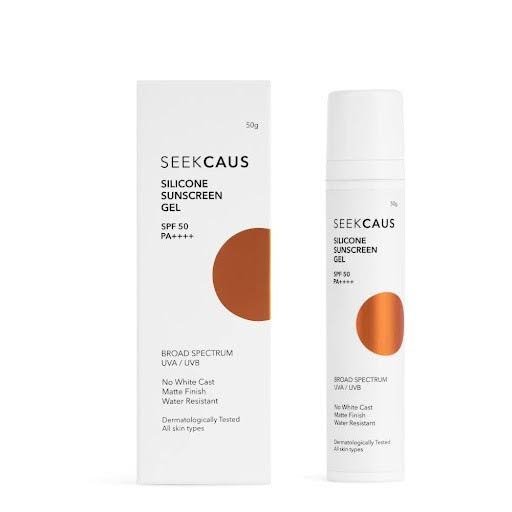
A well-formulated sunscreen like SeekCaus Silicone Sunscreen Gel can play a practical role here. Lightweight, non-greasy formulas with broad-spectrum coverage help protect the skin not just from UV rays but also from environmental stressors that contribute to overall skin damage.
If your routine already includes:
- Broad-spectrum sunscreen
- Antioxidants
- Skin-repair ingredients
…you’re already doing enough to manage blue light damage.
If not, that’s where you should start.
FAQs
1. Can blue light from phones damage skin?
Yes, but the effect is mild compared to sunlight. Long-term exposure may contribute to pigmentation and oxidative stress.
2. Do I need sunscreen indoors?
If you’re exposed to daylight or screens for long hours, wearing sunscreen indoors is a smart habit.
3. What is the best way to prevent blue light damage?
Use antioxidants and a sunscreen that protects against visible light, especially if you’re prone to pigmentation.
4. Is Post treatment sunscreen necessary?
Yes, especially after procedures. It protects healing skin from both UV and visible light damage.
5. Are blue light skincare products worth buying?
Not always. Many regular skincare products already offer enough protection when chosen correctly.