Seeing extra hair on your pillow or in the shower can be stressful. For many people, it doesn’t happen slowly either. One day your hair feels normal, and a few weeks later, it suddenly starts shedding everywhere. If this sounds familiar, you may be dealing with Telogen Effluvium.
The first thing most people do is search online and ask, “Will my hair grow back?” The second question is usually, “How long is this going to last?”
The truth is, Telogen Effluvium usually improves with time, but recovery rarely feels quick when you’re living through it. Some people recover in a few months, while others continue noticing shedding for longer, especially when stress, poor nutrition, or conditions like androgenetic alopecia are also involved.
Here’s a realistic look at what the journey actually feels like.
What Exactly Is Telogen Effluvium?
Your hair naturally goes through growth and resting phases. Normally, only a small percentage of hair is in the shedding stage at one time. With Telogen Effluvium, a larger number of hair follicles suddenly shift into the resting phase together.
A few months later, that hair began falling out.
This can happen after:
- Emotional stress
- Illness or high fever
- Rapid weight loss
- Childbirth
- Hormonal imbalance
- Poor diet
- Lack of sleep
- Certain medications
What makes Telogen Effluvium frustrating is that the hair fall usually starts long after the trigger event. By the time shedding begins, most people don’t even connect it to the actual cause.
The First Few Weeks: “Why Is My Hair Falling So Much?”
For many people, the shedding becomes noticeable around 2 to 3 months after stress or illness.
At first, it may seem minor. Then suddenly you notice:
- Hair collecting near the drain
- More strands on your clothes
- A thinner ponytail
- Hair all over the floor after brushing
This stage can feel emotionally draining because the shedding often looks worse than it really is.
One important thing to remember is this: with Telogen Effluvium, the follicles are usually still alive. The hair cycle has been disturbed, but the follicles are not permanently damaged.
That’s why recovery is possible.
Months 3 to 6: The Phase Most People Panic In
This is usually the hardest part mentally.
The shedding continues consistently, and many people start fearing permanent hair loss. Some begin changing shampoos every week or trying random internet remedies out of desperation.
During this phase, patience becomes difficult because hair growth is slow by nature.
What also happens during this time is that hidden hair conditions can become more visible. A lot of people discover they also have androgenetic alopecia, which is a genetic pattern of hair thinning.
In simple terms, stress-related shedding may uncover hair loss that was already developing quietly underneath.
This overlap is more common than most people think.
So, When Does Telogen Effluvium Stop?
In many cases, active shedding improves within 3 to 6 months after the trigger is controlled.
But visible recovery takes longer.
That’s because even after the hair fall slows down, new hair still needs time to grow back properly. Hair grows slowly, so density doesn’t return overnight.
Most people start noticing:
- Less shedding first
- Small baby hair later
- Gradual improvement in thickness over time
For some individuals, full recovery may take close to 9 to 12 months.
Why Recovery Looks Different for Everyone
There’s no exact calendar for Telogen Effluvium because several things affect healing.
Recovery may take longer if you have:
- Constant stress
- Iron deficiency
- Hormonal imbalance
- Poor sleep
- Crash dieting habits
- Scalp inflammation
- Existing androgenetic alopecia
This is why two people with similar shedding can have completely different recovery timelines.
The Emotional Side Nobody Talks About
Hair loss affects confidence more than people admit.
Many individuals dealing with Telogen Effluvium avoid mirrors, stop styling their hair, or constantly check for thinning under bright lights. Even though the condition is often temporary, the emotional impact feels very real while it’s happening.
What helps most is understanding that recovery is usually gradual, not instant.
Small improvements matter.
Less hair on your pillow is progress.
Tiny regrowth near the hairline is progress.
Reduced shedding during hair wash days is progress too.
Can Hair Serums Actually Help?
Hair serums are not magic overnight solutions, but certain clinically backed ingredients may help support healthier follicles during recovery.
For people struggling with both Telogen Effluvium and early androgenetic alopecia, targeted scalp products are often included as part of a broader hair care routine.
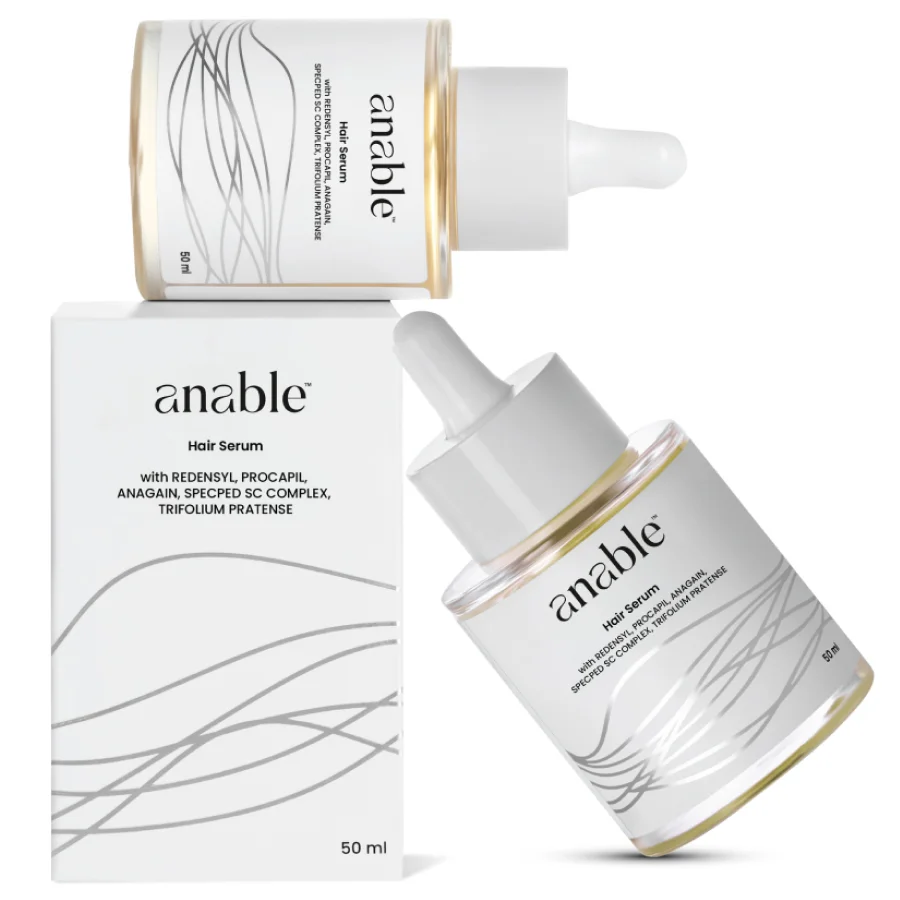
One option commonly used for excessive shedding and thinning concerns is Anable Hair Serum.
Suitable For
Anable Hair Serum is suitable for all scalp types.
How to Use
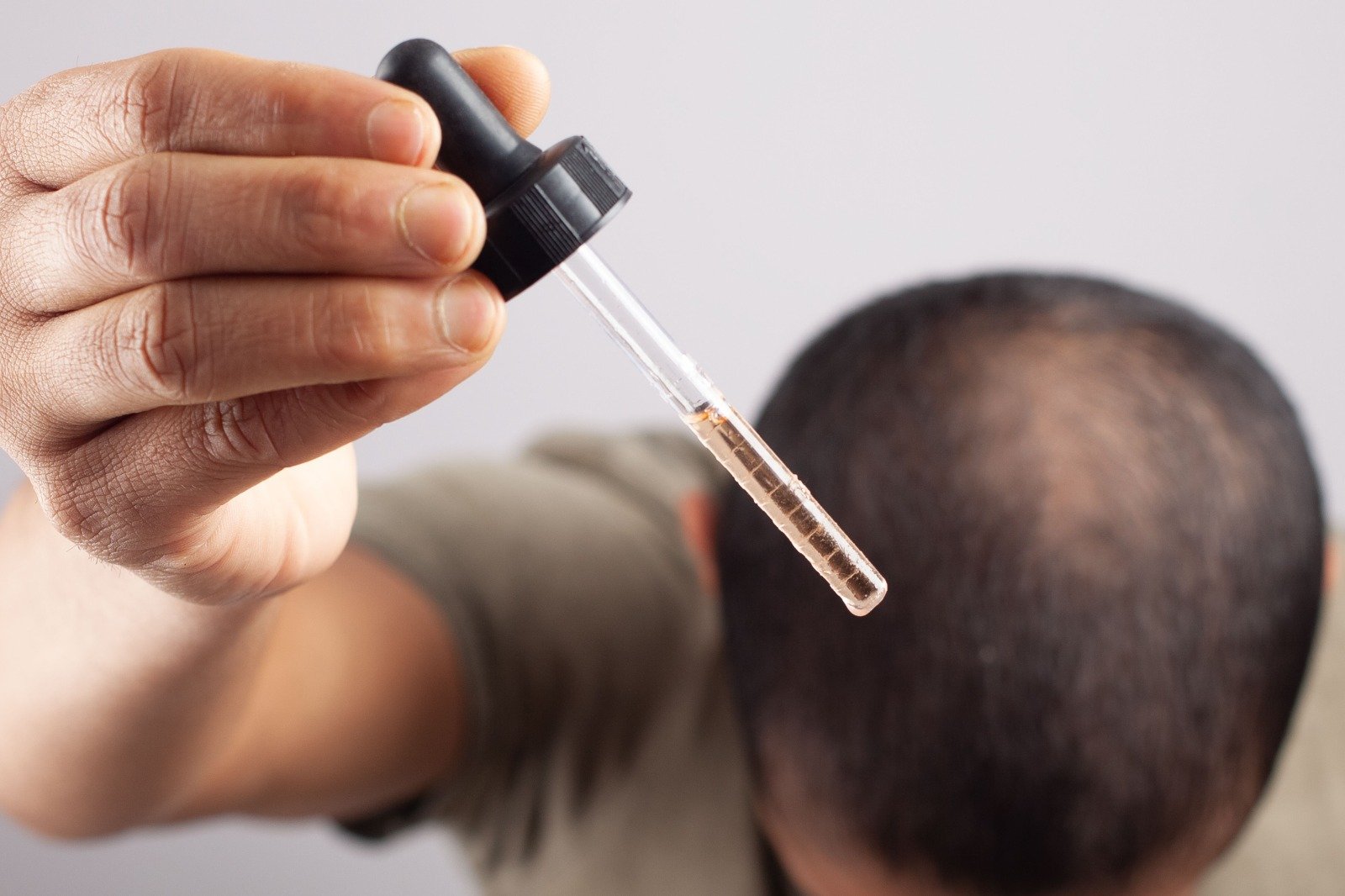
Use one dropper every day or every other day. Leave it overnight and rinse the next morning, or use it as directed by your doctor.
Key Ingredients
- Redensyl 3% (Switzerland)
- Procapil 3% (France)
- Anagain 2% (Switzerland)
- Specped SC Complex 2% (China)
- Trifolium Pratense 1% (Spain)
These ingredients are widely recognized in advanced hair formulations focused on supporting scalp health and improving the appearance of thinning hair.
When You Should See a Specialist
It’s a good idea to seek professional help if:
- Hair shedding continues beyond six months
- Your scalp becomes more visible
- You notice widening partitions
- Hairline recession increases
- The thinning feels progressive instead of temporary
Sometimes what appears to be Telogen Effluvium may actually involve underlying androgenetic alopecia or nutritional deficiencies that need proper treatment.
Getting clarity early can prevent unnecessary stress.
Final Thoughts
If you’re currently dealing with Telogen Effluvium, try not to judge your recovery week by week. Hair growth rarely moves that fast.
In most cases, the shedding improves once the trigger is addressed, but rebuilding fullness takes patience. Consistency with scalp care, nutrition, stress management, and the right treatment approach can make a noticeable difference over time.
Most importantly, temporary shedding does not always mean permanent hair loss.
About Dermis Oracle
Dermis Oracle shares expert-driven skincare and haircare solutions designed for modern hair and scalp concerns. The brand focuses on science-backed formulations that support healthier hair growth, stronger roots, and better scalp wellness for everyday hair challenges.
FAQs
How long does Telogen Effluvium usually last?
In most cases, Telogen Effluvium lasts between 3 to 6 months. However, complete hair regrowth may take up to 9 to 12 months, depending on the cause and treatment.
Can hair grow back after Telogen Effluvium?
Yes, hair usually grows back after Telogen Effluvium because the hair follicles are not permanently damaged. Recovery may take time and consistency.
Is Telogen Effluvium permanent?
No, Telogen Effluvium is generally temporary. However, prolonged shedding may sometimes uncover conditions like androgenetic alopecia.
Can stress cause Telogen Effluvium?
Yes, emotional and physical stress are among the most common causes of Telogen Effluvium and can disrupt the normal hair growth cycle.
How often should I use Anable Hair Serum?
Use one dropper daily or every other day. Leave it overnight and rinse in the morning, or follow your doctor’s advice.
When should I see a doctor for hair shedding?
You should consult a specialist if shedding lasts longer than six months, scalp visibility increases, or thinning becomes progressively worse.
Can Telogen Effluvium come back again?
Yes, recurring stress, poor nutrition, hormonal imbalance, or illness can trigger Telogen Effluvium multiple times if the root cause is not managed properly.