Hyperpigmentation is one of the most common and frustrating skin concerns. Whether caused by sun exposure, acne scars, melasma, or hormonal changes, dark spots can linger for months—or even years—without the right care. This leads many people to ask an important question: Can hyperpigmentation sunscreen fade existing dark spots, or does it only prevent new ones? The answer is more nuanced than a simple yes or no.
Understanding Hyperpigmentation and Sun Exposure
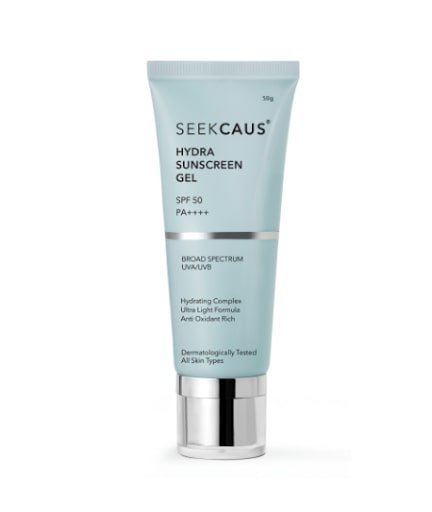
Hyperpigmentation occurs when excess melanin is produced in certain areas of the skin. UV radiation is a major trigger for this process. When skin is exposed to sunlight, melanocytes become more active, deepening existing dark spots and creating new ones. Even minimal daily exposure—walking to work, sitting near a window, or driving—can worsen pigmentation over time.
This is where Hyperpigmentation Sunscreen becomes essential. Unlike basic sun protection, these sunscreens are designed specifically to protect skin that is prone to discoloration while supporting a more even skin tone.
Does Hyperpigmentation Sunscreen Fade Dark Spots?

Strictly speaking, hyperpigmentation sunscreen does not “bleach” or instantly remove dark spots. However, it plays a critical role in the fading process. By blocking UV rays and other skin-darkening triggers, sunscreen prevents existing pigmentation from getting darker and allows your skin’s natural renewal process to work more effectively.
When skin is consistently protected, cell turnover can gradually shed pigmented cells, making dark spots appear lighter over time. Without daily sunscreen use, even the best brightening treatments can fail, as UV exposure continuously reverses progress.
Prevention Is the First Step to Fading
Think of hyperpigmentation sunscreen as the foundation of any dark spot treatment plan. If you’re using serums with vitamin C, niacinamide, azelaic acid, or retinoids, sunscreen ensures that the results from these products are preserved.
Inconsistent sun protection is one of the biggest reasons hyperpigmentation treatments don’t work. Even a single day without sunscreen can stimulate melanin production and undo weeks of skincare effort. Daily use of Hyperpigmentation Sunscreen creates a stable environment where fading can actually happen.
The Role of Blue Light Protection
It’s not just the sun that affects pigmentation. Research shows that high-energy visible (HEV) light—commonly known as blue light—can also worsen hyperpigmentation, particularly in deeper skin tones. Blue light comes from digital screens, indoor lighting, and the sun itself.
A blue light sunscreen offers added protection by shielding the skin from HEV exposure. This is especially important if you spend long hours on phones, laptops, or tablets. By reducing blue light–induced melanin production, this type of sunscreen helps prevent dark spots from becoming more stubborn and harder to fade.
Why Hydration Matters for Pigmentation
Healthy, hydrated skin heals and renews itself more efficiently. Hydrating skincare supports the skin barrier, reduces inflammation, and improves overall texture—all of which are essential for managing hyperpigmentation.
When the skin barrier is compromised or dry, it becomes more reactive to UV light and environmental stressors. This can intensify pigmentation and slow down fading. Many modern hyperpigmentation sunscreens are formulated with humectants like hyaluronic acid and glycerin to keep skin moisturized while protecting it.
Hydration also improves the appearance of dark spots by plumping the skin, making pigmentation look softer and less pronounced over time.
Why Texture Matters: Choosing a Non-Greasy Sunscreen
Consistency is key when it comes to sunscreen. If a product feels heavy, oily, or pore-clogging, people are less likely to apply enough or reapply throughout the day. A Non-greasy sunscreen solves this problem by offering lightweight protection that fits easily into daily routines.
Non-greasy formulas are particularly beneficial for acne-prone and combination skin types, where breakouts can lead to post-inflammatory hyperpigmentation. By preventing clogged pores and excess oil, these sunscreens indirectly reduce the risk of new dark spots forming.
When sunscreen feels comfortable on the skin, daily use becomes effortless—and that consistency is what truly supports fading over time.
How Long Does It Take to See Results?
Fading hyperpigmentation requires patience. With diligent use of hyperpigmentation sunscreen, most people begin to notice subtle improvements within 6–8 weeks. Dark spots may appear lighter, less defined, and easier to conceal. Deeper pigmentation, such as melasma, can take several months to show visible change.
The key is daily application, adequate coverage, and regular reapplication—especially when outdoors or exposed to screens for extended periods.
What Hyperpigmentation Sunscreen Can
What it can do:
- Prevent dark spots from becoming darker
- Stop new pigmentation from forming
- Support skin’s natural repair and renewal process
- Enhance the effectiveness of brightening treatments
When paired with hydrating skincare, targeted treatments, and a non-greasy, blue light–protective formula, hyperpigmentation sunscreen becomes a powerful long-term solution.
So, can hyperpigmentation sunscreen fade existing dark spots? Indirectly, yes. While it doesn’t act as a spot treatment, it is the single most important product for stopping pigmentation from worsening and allowing your skin to gradually restore a more even tone. Without it, dark spots persist. With it, real progress becomes possible.
For anyone serious about treating hyperpigmentation, daily use of a well-formulated hyperpigmentation sunscreen—one that supports hydration, feels non-greasy, and offers blue light protection—is not optional. It’s essential.
Protect, correct, and glow every day with Dermis Oracle.
Upgrade your routine with hyperpigmentation-focused sun protection designed for real results.
FAQ’s
What kind of sunscreen is best for hyperpigmentation?
The best kind of sunscreen for hyperpigmentation is one that provides broad-spectrum SPF protection, shields the skin from blue light exposure, and supports skin barrier health. A well-formulated Hyperpigmentation Sunscreen should feel lightweight, absorb easily, and layer well with other skincare products. Hydrating ingredients help calm the skin and reduce inflammation, which can otherwise trigger more pigmentation.
Will sunscreen fade hyperpigmentation?
A Hyperpigmentation Sunscreen does not instantly fade dark spots, but it plays a crucial role in the fading process. By preventing UV and blue light–induced melanin production, sunscreen stops existing hyperpigmentation from becoming darker and allows the skin’s natural renewal cycle to gradually improve uneven tone. With consistent daily use, especially when combined with hydrating skincare and targeted treatments, dark spots can appear lighter and less noticeable over time.
Which sunscreen is best for UV rays?
Seekcaus Tinted Sunscreen provides broad-spectrum protection against UVA, UVB, blue light, and environmental stressors, while also hydrating the skin, evening out skin tone, and helping prevent hyperpigmentation—making it a smart all-in-one daily shield.
What does 37.72% inhibition of cAMP melanogenesis mean?’
37.72% inhibition of cAMP melanogenesis means the tested ingredient reduced melanin production by 37.72% by suppressing the cAMP signalling pathway involved in pigment formation. This result is typically observed in laboratory studies on skin cells and indicates moderate effectiveness in controlling excess pigmentation at a cellular level. Discover more with Dermis Oracle